
Some links on this page are affiliate links. If you click through and make a purchase, we may earn a small commission at no extra cost to you. This helps us maintain and improve this independent guide. Learn more.
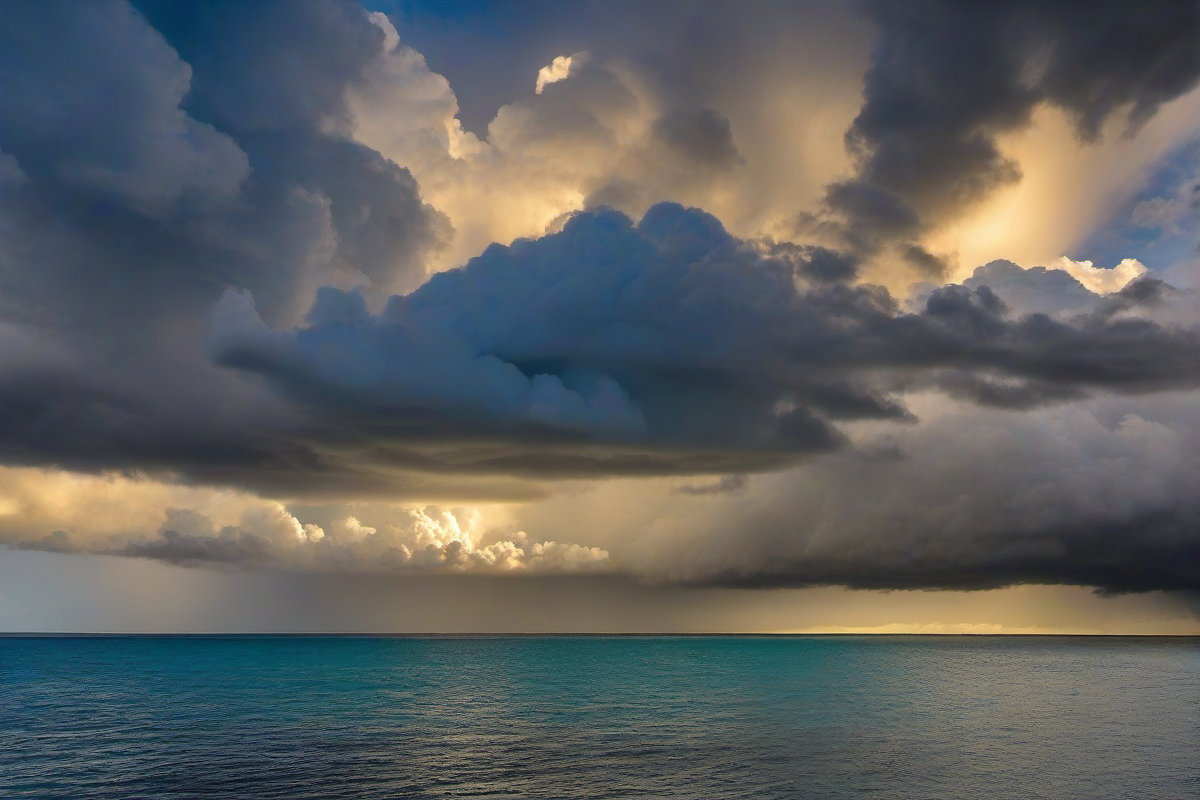
Nauru has a warm tropical climate year-round. Understanding the weather patterns will help you plan the best time for your visit and pack appropriately.
🌞 Best time: May–October
Driest, sunniest months with calm seas. Humidity lower (70–75%). Ideal for snorkelling, fishing, and exploration.
🌧️ Wet season: Nov–Feb
Highest rainfall (up to 280mm/month), intense humidity (80–85%), risk of tropical downpours. Still visitable but pack accordingly.
🌡️ Year-round heat
Temperatures consistently 28–35°C. Only 53 km south of the equator — UV index is extreme year-round. Sun protection is non-negotiable.
🎉 Cultural timing
Plan around Constitution Day (May 17) or Independence Day (Jan 31). Note January is peak wet season — expect rain alongside celebrations.
Overview
Nauru's climate is tropical monsoon, characterized by consistently high temperatures and humidity. Being located just 53 kilometres south of the equator, there is minimal seasonal temperature variation — daytime temperatures typically range from 28°C to 35°C throughout the year.
Rainfall is significant (annual average ~2,000mm), concentrated in the November–February wet season. The dry season (March–October) is generally sunnier and more comfortable for outdoor activities.
Seasonal Breakdown
Wet Season (November–February) - November to February is the monsoon season with the highest rainfall - Expect frequent tropical showers, often short but intense - Higher humidity levels (80–85%) - Temperatures: 30–35°C daytime, 24–28°C night - Risk of tropical storms and squalls (though cyclones are less common than further from the equator)
Dry Season (March–October) - Lower rainfall, more sunshine hours - Trade winds provide some relief from humidity - Humidity drops to 70–75% - Temperatures: 28–33°C daytime, 23–27°C night - Best time for outdoor activities, snorkeling, and island exploration
Transitional Months (March, October) - Shoulder months with mixed conditions - Still good for travel
Best Time to Visit
The best time to visit Nauru for most travellers is May through October — the driest and sunniest months of the year. During this period: - Sea conditions are calmest for snorkeling and fishing - The risk of rain disrupting outdoor plans is lowest - Humidity is more comfortable - Visibility for underwater activities is at its best
If you're interested in cultural events, plan around Constitution Day (May 17) or Independence Day (January 31). Note that January is in the wet season, so expect some rain.
What to Pack
Lightweight, breathable clothing is essential for Nauru's tropical climate:
- Light cotton or linen clothing (shorts, t-shirts, sundresses) - Swimwear and rash guard (for reef protection) - A light rain jacket or umbrella (especially November–February) - Sun protection: broad-brimmed hat, sunglasses, high-SPF sunscreen - Comfortable walking shoes or sandals - Insect repellent (mosquitoes can be present, especially after rain) - A light sweater or pashmina for air-conditioned interiors - Reef shoes or water shoes (for snorkeling and reef walking)
📊 Monthly Climate Table
The table below shows monthly averages for temperature, rainfall, humidity, and daylight hours. All data is based on long-term observations at Nauru International Airport weather station.
| Month | Avg High | Avg Low | Rainfall | Humidity | Daylight |
|---|---|---|---|---|---|
| January | 31°C | 25°C | 280 mm | 80% | 12.5h |
| February | 31°C | 25°C | 250 mm | 80% | 12.3h |
| March | 31°C | 25°C | 200 mm | 78% | 12h |
| April | 30°C | 25°C | 140 mm | 76% | 11.8h |
| May | 30°C | 24°C | 110 mm | 74% | 11.5h |
| June | 30°C | 24°C | 90 mm | 73% | 11.3h |
| July | 30°C | 24°C | 80 mm | 73% | 11.3h |
| August | 30°C | 24°C | 85 mm | 73% | 11.5h |
| September | 31°C | 24°C | 100 mm | 74% | 11.8h |
| October | 31°C | 25°C | 120 mm | 76% | 12h |
| November | 31°C | 25°C | 220 mm | 79% | 12.3h |
| December | 31°C | 25°C | 280 mm | 80% | 12.5h |
🏖️ Best Time to Visit — Season by Season
🌧️ Wet Season (November – February)
Pros: Lush green landscape; quieter with fewer visitors; cultural events in January.
Cons: Frequent heavy downpours; highest humidity (80–85%); some outdoor activities disrupted; sea can be rougher for snorkelling and fishing.
Who it suits: Budget travellers who don't mind rain; photographers wanting dramatic skies; visitors attending Independence Day events.
☀️ Dry Season (March – October)
Pros: Lowest rainfall (80–110mm/month May–Aug); trade winds reduce humidity; calmest seas for snorkelling/fishing; best underwater visibility.
Cons: Slightly busier (though Nauru is never crowded); higher demand for accommodation, so book early.
Who it suits: First-time visitors; outdoor enthusiasts; divers and snorkellers; anyone who prefers reliable sunshine.
🌤️ Shoulder Months (March, October)
Transitional periods with mixed conditions — still good for travel. March sees the end of the wet season; October marks the return of higher rainfall. Both offer a balance of decent weather and low visitor numbers.
🎒 Packing Recommendations by Season
🌧️ Wet Season Essentials (Nov–Feb)
- Light cotton t-shirts and shorts (multiple changes recommended)
- Quick-dry clothing and synthetic activewear
- Compact travel umbrella or lightweight waterproof rain jacket
- Waterproof dry bag for electronics and documents
- Insect repellent with high DEET concentration (mosquitoes more active after rain)
- Broad-brimmed sun hat (UV protection still essential even on overcast days)
- High-SPF sunscreen (SPF 50+, reef-safe)
- Sandals that can handle wet conditions (e.g. Crocs or sport sandals)
- Rash guard or UV-protective swim shirt (for cloud-cover sunburn risk)
- Power bank (in case of weather-related power disruptions)
☀️ Dry Season Essentials (Mar–Oct)
- Light cotton and linen clothing (shorts, t-shirts, sundresses)
- Swimwear and rash guard (optimal conditions for swimming and snorkeling)
- Snorkeling gear (mask, snorkel, fins — best water visibility of the year)
- Reef shoes or water shoes for reef walking
- Sunglasses with polarised lenses (glare reduction for water activities)
- Sun hat with chin strap (breezier conditions, trade winds)
- High-SPF sunscreen (SPF 50+, reef-safe — reapply frequently)
- Light long-sleeved shirt for sun protection during extended outdoor activity
- Reusable water bottle (higher temperatures increase hydration needs)
- Light fleece or windbreaker (trade winds can feel cool in evenings)
- Fishing gear (if interested — dry season offers excellent offshore conditions)
⚠️ Important Climate Notes
☀️ Extreme UV Index
Nauru's equatorial latitude means the UV index regularly hits 11+ (extreme) year-round. Even on overcast days, UV rays penetrate cloud cover. Apply SPF 50+ sunscreen every 2 hours, wear a broad-brimmed hat and UV-rated sunglasses, and seek shade between 11 AM and 3 PM.
🌀 Tropical Storms & Cyclones
While Nauru is close enough to the equator to be partially protected from the worst cyclones (they typically form further south), the island can still experience tropical squalls, strong winds, and intense thunderstorms during the wet season (Nov–Feb). Check forecasts before and during your trip.
💧 Hydration
Heat and humidity mean you lose fluids fast. Carry a reusable water bottle at all times. Tap water is not recommended for drinking — buy bottled water or use purification tablets. Most hotels provide drinking water for guests.
📋 Quick Climate Reference
- Annual average temperature: ~28°C
- Annual rainfall: ~2,000 mm
- Driest months: June–August (80–90mm/month)
- Wettest months: January, December (280mm/month)
- Highest humidity: December–February (80–85%)
- Lowest humidity: June–August (73%)
- Best months for snorkelling/diving: May–October